Cracked, rough paw pads are one of the most common pet health issues — and most dog owners don't notice until their dog starts limping or licking their paws obsessively. Here's what causes it and how to fix it.
What Causes Cracked Paw Pads?
Paw pads are tough but vulnerable. The main culprits:
- Hot pavement: Asphalt can reach 150°F in summer. If it's too hot to walk barefoot, it's too hot for your dog.
- Winter cold and salt: Ice and road salt dry and crack paw pads fast. Salt also causes chemical burns if your dog licks their paws after a walk.
- Rough terrain: Rock, gravel, and concrete grind away the protective outer layer over time.
- Dry air: Low indoor humidity in winter dries skin — paws included.
- Nutritional deficiency: A lack of omega-3 fatty acids causes dry, flaky skin throughout the body, including the pads.
- Allergies: Environmental or food allergies often manifest as itchy, inflamed paws.
- Hyperkeratosis: Some breeds overproduce keratin, creating a rough, crusty buildup on the pads. Cocker Spaniels, Labradors, and Bulldogs are commonly affected.
Signs Your Dog Has Cracked Paw Pads
- Excessive licking or chewing of the feet
- Limping, especially on hot or cold surfaces
- Visible cracks or splits in the pad surface
- Hard, rough texture instead of smooth, slightly cushioned pad
- Bleeding in severe cases
How to Treat Cracked Paw Pads
Step 1: Clean the Paws
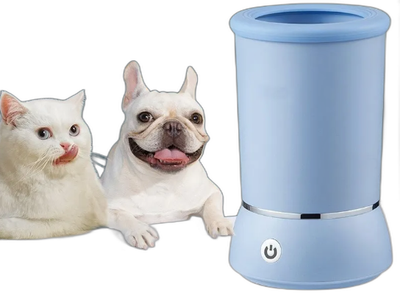
Before applying anything, rinse paws with warm water to remove salt, dirt, and debris. The Pawsh Automatic Paw Cleaner handles this in seconds — dip, twist, wipe. Make sure paws are dry before the next step.
Step 2: Apply a Paw Balm
A quality paw balm creates a protective barrier, seals in moisture, and allows the skin to heal. Look for natural ingredients: beeswax (forms the barrier), sweet almond oil (penetrates and nourishes), and botanical extracts like calendula (anti-inflammatory).
The Pawsh Paw and Nose Balm combines all three, plus olive oil for its vitamin E content. It's 100% food-safe, so you don't need to worry if your dog licks some off. Apply a thin layer to clean, dry pads and massage in gently.
Step 3: Give It Time to Absorb
Apply while your dog is resting or right before bed so they're less likely to lick it off before it absorbs. If licking is an issue, a short distraction with a chew or puzzle toy usually does the trick.
How Often to Apply
- Prevention: 2–3 times a week year-round, or before walks in extreme weather
- Active cracking: Daily until healed, then maintain with 2–3x weekly applications
- After beach or salt exposure: Rinse paws and apply balm immediately after every outing
When to See a Vet
Home treatment works for most cases of dry, cracked paws. But see a vet if:
- The cracks are deep or bleeding and don't improve within a week
- You notice hard, crusty overgrowth — this could be hyperkeratosis
- Your dog is limping or in obvious pain
- You suspect allergies (paw licking plus itchy skin, ears, or belly)
Most cracked paws are a comfort issue, not an emergency — but they'll keep getting worse without treatment.
Get the Pawsh Paw and Nose Balm — natural, lick-safe, and ships free to every US address.